Louisiana Department of Environmental Quality (LDEQ) and USEPA regulations require thorough remediation of contaminated soil in Baton Rouge, especially near the Mississippi River industrial corridor where petrochemical facilities have operated for decades. The city's high water table and clay-rich Mississippi Alluvial soils complicate cleanup efforts, as contaminants can migrate laterally along shallow groundwater flow paths. Our team follows ASTM E1527-21 Phase I ESA protocols and ASTM E1903 Phase II methods before designing site-specific remediation strategies. Before excavation begins, we often conduct a permeability test to understand how fluids move through the native silt and clay layers, which directly influences treatment selection.
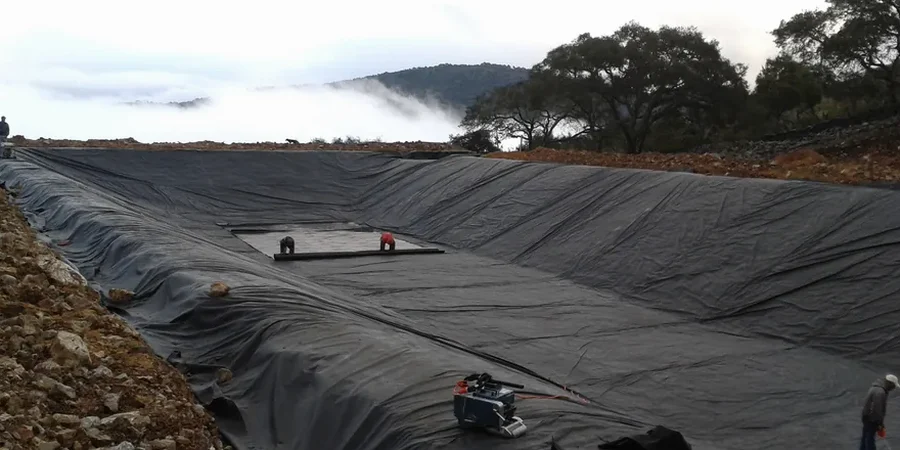
Baton Rouge's low-permeability clay soils slow contaminant migration but demand specialized remediation methods beyond simple excavation and off-site disposal.
Method and coverage
Regional considerations
Baton Rouge has a population exceeding 225,000 within the city limits and over 800,000 in the metropolitan area, with a heavy concentration of oil refineries and chemical plants along the river. The 2016 and 2019 flood events demonstrated how contaminated soils can become mobilized during flooding, spreading pollutants across residential areas and into the Amite River basin. Without proper remediation, long-term liabilities include groundwater contamination plumes reaching drinking water aquifers, vapor intrusion into buildings, and costly Superfund listing. The 2023 LDEQ enforcement actions against several Baton Rouge facilities underscore the regulatory risk of non-compliance.
Standards that apply
ASTM E1527-21 (Phase I ESA), LDEQ RECAP (Risk Evaluation/Corrective Action Program) 2023, USEPA Method 8260D (VOCs) / Method 8270E (SVOCs), ASTM D2487-17 (Unified Soil Classification)
Associated technical services
Site Assessment & Characterization
Phase I and Phase II environmental site assessments, soil boring installation, groundwater monitoring well placement, and laboratory analysis for RCRA metals, VOCs, SVOCs, and pesticides. We use direct-push Geoprobe technology for rapid soil sampling in Baton Rouge's tight clay formations.
Remediation Design & Implementation
Excavation and off-site disposal, soil vapor extraction, bioventing, in-situ chemical oxidation, and stabilization/solidification. We submit remediation work plans and closure reports to LDEQ and coordinate with local contractors for transportation and disposal at permitted facilities in Louisiana.
Typical parameters
Common questions
How long does contaminated soil remediation take in Baton Rouge?
Typical projects range from 6 months for simple excavation and disposal to 18-24 months for active treatments like soil vapor extraction or bioventing. The timeline depends on contaminant type, soil permeability, depth to groundwater, and LDEQ review periods for work plans and closure reports.
What regulations apply to contaminated soil cleanup in Baton Rouge?
Louisiana's RECAP program (LAC 33:I.Chapter 12) sets risk-based soil screening levels and cleanup standards. Federal RCRA and CERCLA requirements apply for hazardous waste sites. The LDEQ Remediation Services Division oversees all closure activities, and discharge to surface water requires an LPDES permit.
What is the typical cost range for contaminated soil remediation in Baton Rouge?
Costs vary by site size, contaminant type, and chosen technology. For a typical 2-acre industrial property with shallow hydrocarbon contamination, expect between US$3.450 and US$10.900 for assessment, remediation design, implementation, and regulatory closure. Larger sites with complex chlorinated solvent plumes can exceed this range.