Geotechnical investigation in Baton Rouge encompasses a comprehensive suite of subsurface exploration techniques designed to characterize soil, rock, and groundwater conditions prior to construction. These investigations are not merely a regulatory checkbox—they form the engineering backbone of safe, durable structures across Louisiana's capital region. From high-rise developments downtown to industrial expansions along the Mississippi River, understanding what lies beneath the surface is critical. The process typically begins with an exploratory test pit to visually assess shallow strata, then advances to deeper in-situ testing methods that quantify soil behavior under load.
Baton Rouge presents a unique geotechnical landscape shaped by its position on the Pleistocene terrace formations adjacent to the Mississippi River floodplain. The area is underlain by a complex sequence of overconsolidated clays, silts, and sands belonging to the Prairie Terrace deposits, often capped by loess. These soils exhibit variable shrink-swell potential and can be highly sensitive to moisture changes, making expansive clay behavior a primary concern. Deeper strata transition into the Pliocene-aged Citronelle Formation and older, more competent materials. The proximity to the river also introduces alluvial deposits and a shallow groundwater table that fluctuates seasonally, requiring careful consideration during investigation and foundation design.
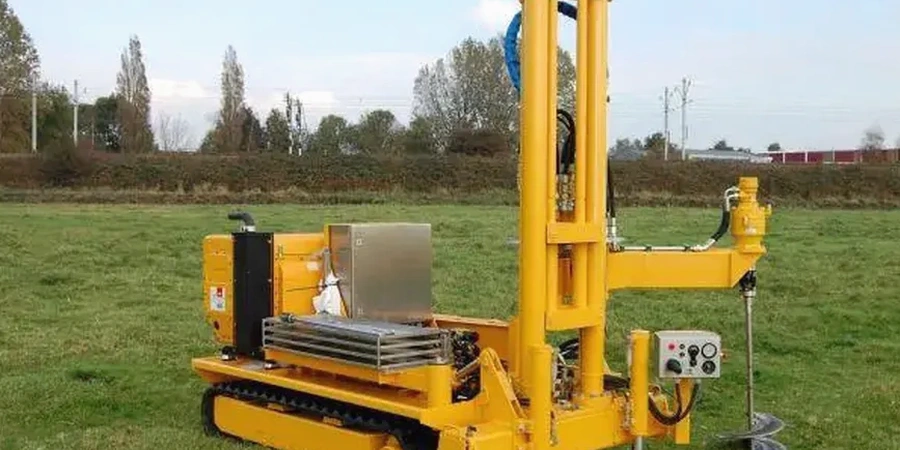
All geotechnical investigations in Baton Rouge must conform to the Louisiana Administrative Code Title 51, Part XIV (Building Codes), which adopts the International Building Code (IBC) with state-specific amendments. Chapter 18 of the IBC mandates soil investigations for all structures except certain low-hazard occupancies, specifying minimum boring depths based on foundation loads and geometry. The Louisiana Professional Engineering and Land Surveying Board (LAPELS) governs the practice, requiring that all investigation work be performed under the responsible charge of a licensed professional engineer. Additionally, the City of Baton Rouge Department of Development may require site-specific reports addressing slope stability, liquefaction potential, and expansive soil mitigation as part of the permitting process.
The scope of an investigation varies significantly by project type. Light commercial buildings and residential subdivisions often rely on a combination of standard penetration tests (SPT) and laboratory index testing to establish allowable bearing pressures and pavement design parameters. Larger structures, such as hospitals, industrial facilities, and bridges, typically demand more rigorous protocols including cone penetration testing (CPT) for continuous soil profiling and pore pressure measurement. Transportation projects under the Louisiana Department of Transportation and Development (DOTD) follow strict guidelines that frequently incorporate both SPT and CPT data to assess embankment stability and pile capacity. Flood protection infrastructure and deep excavations near the river additionally require specialized testing for seepage and dewatering analysis.
Common questions
When is a geotechnical investigation required in Baton Rouge?
A geotechnical investigation is mandatory for nearly all commercial, industrial, and multi-family residential projects under the IBC as adopted by Louisiana. The City of Baton Rouge typically requires a soils report during the permit application process for new construction and significant additions. Single-family homes may be exempt unless located in areas with known expansive soils or slope instability, though lenders often require one for financing.
What depth should a geotechnical investigation reach for a typical Baton Rouge project?
Investigation depth depends on foundation loads and geology. For shallow foundations on the Prairie Terrace, borings commonly extend 20 to 30 feet below grade, or to a depth where stress increases become negligible. Deep foundations such as driven piles may require borings extending 60 feet or more into the Citronelle Formation. The IBC specifies that borings must penetrate through all unsuitable strata and at least 10 feet into competent bearing material.
How do local soil conditions affect foundation design in Baton Rouge?
The expansive clays of the Prairie Terrace present the most significant challenge. These soils can exert uplift pressures on slabs and cause differential movement if moisture content varies beneath a structure. Engineers often specify moisture-conditioned fill, post-tensioned slabs, or deep foundations to mitigate this risk. Additionally, the shallow water table in areas near the river and bayous complicates excavation and requires careful dewatering and waterproofing design.
What is the difference between SPT and CPT testing, and when is each used?
The Standard Penetration Test (SPT) provides a disturbed soil sample and a blow count (N-value) used in empirical correlations, while the Cone Penetration Test (CPT) gives continuous, high-resolution data on tip resistance, sleeve friction, and pore pressure without sampling. SPT is widely used for routine projects due to its lower cost and ability to retrieve samples. CPT is preferred for stratigraphic profiling, liquefaction assessment, and projects where precise soil behavior data is critical.